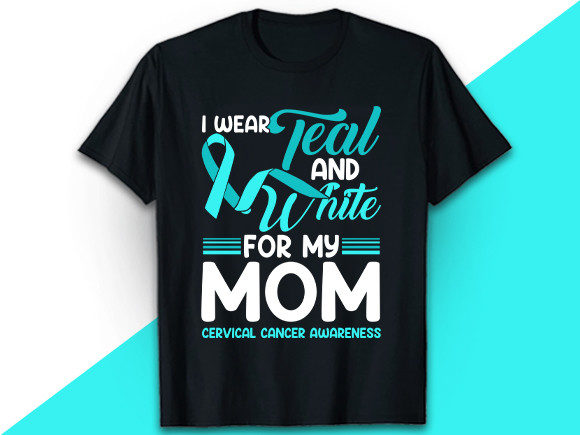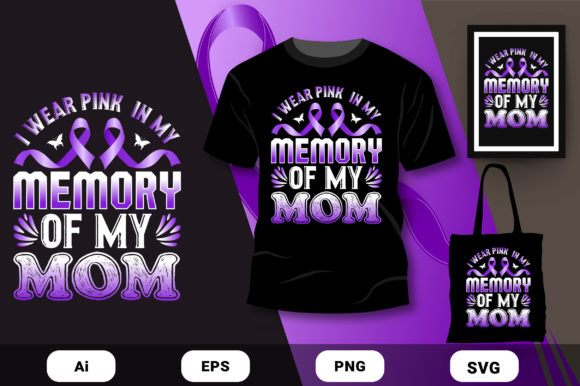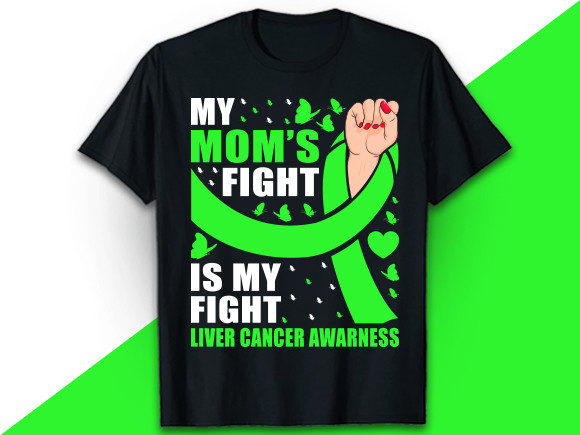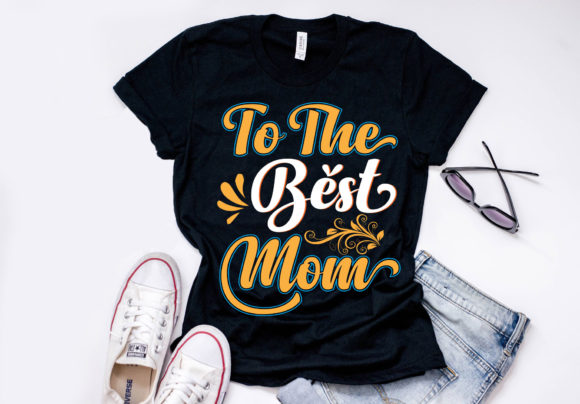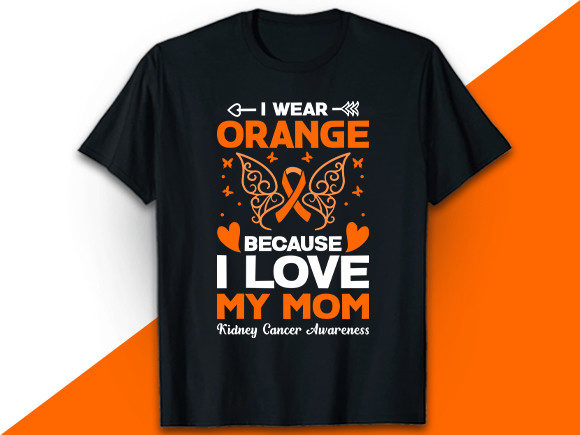
I Wear My Mom Kidney Cancer T Shirt
As a designer who spends half my life staring at digitized files and the other half troubleshooting tension issues on my embroidery machine, I have learned to look past the pretty preview image. When I pull up a new asset like I Wear My Mom Kidney Cancer T Shirt, I am not just looking at text; I am evaluating structural integrity, emotional resonance, and commercial viability. This design falls into the category of Print Templates and Graphics that promise versatility, but in the world of physical production, promises mean nothing without execution.
The premise is straightforward: a digital clip art file provided in EPS, SVG, and PNG formats. These are vector and raster staples for crafters, meaning the source material is scalable. However, the leap from a screen to a stitched fabric surface is where most projects either shine or fail. Here is my practical breakdown of how this design performs when moved from your desktop to your hoop.
The First Impression: Mood and Layout
The immediate visual personality of I Wear My Mom Kidney Cancer T Shirt is one of advocacy and solidarity. In the niche of cause-based apparel, the typography and layout do the heavy lifting. Because the file includes multiple formats, you have the flexibility to treat this as a pure graphic element or integrate it into a larger composition. The mood is serious yet supportive, which dictates where it can live in a product line.
It does not feel like a frivolous fashion statement; it feels like a badge of honor or a memorial. This gravity influences every decision you make regarding placement and finishing. A design with this level of emotional weight requires a clean, professional presentation. It cannot be rushed, nor can it be placed haphazardly on a chaotic background. The layout demands respect, which translates directly to stitch quality and fabric choice.
Real-World Application: From Screen to Stitch
Let’s talk about a specific scenario. Imagine you are preparing a batch of custom embroidered tote bags for a local awareness walk or creating personalized gifts for a support group. You decide to use I Wear My Mom Kidney Cancer T Shirt as the central focal point. How does it translate?
Because you receive EPS and SVG files, you likely intend to use cut machines or print-on-demand workflows alongside traditional machine embroidery. If you are using this as a base for an applique design, the clean lines of the vector file are crucial. They allow for precise cutting of stabilizer or fabric layers before you begin stitching. The satin stitch around the edges of the text needs to be tight enough to hold the shape but not so dense that it puckers the bag canvas.
For sweatshirt embroidery, this design shines. The medium-weight cotton of a hoodie provides a stable foundation for fill stitches. If the design incorporates bold lettering, the thread colors become paramount. A high-contrast thread against a dark grey or black sweatshirt will make the message pop, ensuring that the "handmade product" value is immediately apparent to the wearer. Conversely, if you attempt this on a thin, stretchy t-shirt without proper stabilization, the distortion could ruin the legibility of the message, undermining the professionalism of the finished product.
Consider also the application on baby items or nursery decor. While the theme is adult-centric, families often seek meaningful keepsakes. Using this design on a pillow cover or a kitchen towel adds a layer of comfort and remembrance to the home. However, these items undergo frequent washing. The durability of the stitch density here is a test of the design’s quality. Does it withstand the wash cycle without fraying or losing its crispness? That is the real question for any Etsy seller offering personalized products.
Where Caution Is Required
No design is perfect for every surface. There are specific contexts where I Wear My Mom Kidney Cancer T Shirt might present challenges that require careful planning.
- Small Hoop Sizes: If the design contains intricate details or extensive text, forcing it into a small hoop can result in cramped stitching. Always check the dimensions of the digitized artwork relative to your smallest available hoop. If the text becomes too narrow, the satin stitch may overlap, creating a muddy appearance.
- Textured Fabrics: Linen, burlap, or heavily textured knits can obscure fine details. The needle penetration required for dense fill stitches might be inconsistent on such surfaces, leading to skipped stitches or uneven texture. For these materials, a simpler applique approach or a vinyl decal overlay might yield a cleaner result than pure embroidery.
- Curved Surfaces: Applying this to caps or hats requires a curved hoop setup. Text alignment becomes critical here. If the letters are not perfectly aligned to the curve, they will appear slanted or distorted to the viewer. Test the positioning on scrap fabric first to ensure the perspective looks natural.
- Dense Stitch Areas: If the design relies heavily on fill stitches for shading or background elements, be mindful of fabric stability. Too much density on lightweight fabric will cause bubbling. Use a tear-away or cut-away stabilizer appropriate for the fabric weight to maintain structure.
Impact on Brand and Customer Trust
For craft business owners and boutique branding, the perceived quality of the design directly impacts customer trust. A sloppy execution of a meaningful message can damage your reputation. On the other hand, a clean, well-executed I Wear My Mom Kidney Cancer T Shirt project signals attention to detail. It shows that you care about the recipient’s story.
This design works exceptionally well for holiday embroidery projects, particularly during awareness months or memorials. It serves as a powerful tool for buyer engagement because it connects emotionally. When a customer sees a professionally finished patch or apron featuring this design, they see a labor of love. This enhances the giftability of the item and justifies a higher price point for handmade goods.
Practical Designer Notes for Execution
Before you commit to a full run of merchandise, follow these steps to ensure success:
- Test on Scrap Fabric: Never assume a design will work perfectly on your final material. Stitch it out on the exact fabric you plan to use. Check for puckering, thread breaks, or color bleeding.
- Review Stitch Density: Zoom in on the digitized file if possible. Look for areas where stitches might be too close together, causing bulk, or too far apart, leaving gaps. Adjust settings if your software allows.
- Confirm Hoop Size: Ensure the design fits comfortably within your intended hoop size with adequate margin for trimming.
- Inspect Small Details: Tiny letters or decorative accents can disappear if the thread color lacks contrast or if the stitch length is too long. Verify that all elements remain visible after stitching.
- Check Licensing: Since this is a digital embroidery file, verify the license terms. Are you allowed to sell finished items? Can you use it for commercial embroidery projects? Confirming licensing protects your small shop product listings from legal issues.
- Use Proper Stabilizer: Match your stabilizer to your fabric. Heavy fabrics need strong support; light fabrics need gentle removal options.
In conclusion, I Wear My Mom Kidney Cancer T Shirt is more than just a graphic; it is a vehicle for connection. By treating it with the technical rigor it deserves—checking thread colors, testing stitch density, and choosing the right fabric—you transform a simple digital asset into a respected, professional finished product. Whether you are an Etsy seller looking to expand your catalog or a hobbyist making a personal gift, this design offers a meaningful opportunity to create something that truly matters.