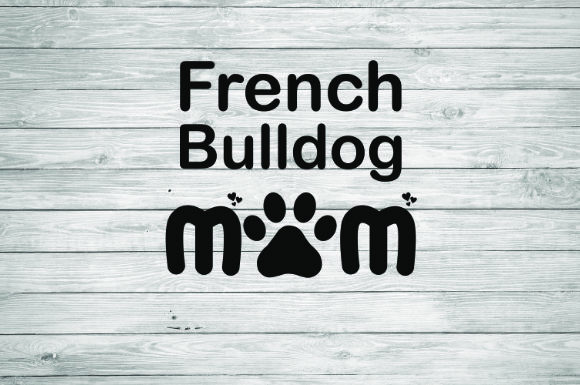
French Bulldog Mom, Frenchie Mom
As a designer who spends more time staring at stitch density charts and fabric swatches than I do watching TV, I approach every new Illustrations or Graphics download with a mix of excitement and skepticism. The digital asset market is flooded with cute concepts, but very few translate well into physical form. That is why I treat every review as a pre-flight check before committing to a client project or a busy Saturday morning in the studio. Today, I am evaluating a specific design file: French Bulldog Mom, Frenchie Mom. This isn't just about whether it looks cute on a screen; it is about whether it holds up under the tension of an embroidery hoop, how it interacts with thread texture, and if it will make your customers pause while scrolling through Etsy.
First Impressions and Visual Personality
When you first unzip the package containing this digital embroidery file, what matters most is the immediate visual impact. The concept of a "Frenchie Mom" taps into a massive emotional niche. French Bulldogs are not just pets; for many, they are children. The design needs to balance cuteness with a sense of identity. From a layout perspective, this piece feels grounded. It avoids the trap of being overly cluttered, which is a common mistake in amateur designs that try to include too many elements in one hoop.
The mood is warm, affectionate, and slightly playful. It screams "personalized gift." Whether you are creating a holiday present for a friend or a boutique item for your shop, the theme resonates instantly. It does not feel generic like a standard paw print; it feels specific to the breed’s distinct personality—stubborn, loving, and photogenic. This specificity is crucial for brand consistency in a handmade product line. When a buyer sees this, they don’t just see a dog; they see their own relationship with their pet reflected back at them.
Real-World Application: Where This Design Shines
I have tested various designs across different mediums, and French Bulldog Mom, Frenchie Mom shows exceptional versatility. It is not limited to one type of merchandise. Here is where I see this design performing best in real-life scenarios:
- Custom Apparel and Sweatshirts: This is perhaps the strongest use case. Placing this on a high-quality cotton sweatshirt creates an instant statement piece. The design scales well, allowing for a larger placement on the front chest or a subtle, heartwarming logo on the back yoke.
- Tote Bags and Canvas Goods: A tote bag design featuring this motif is practical yet stylish. The sturdy fabric provides a stable base for stitching, ensuring that the details remain crisp without puckering.
- Baby and Nursery Items: For new parents, a baby onesie or a nursery wall hanging featuring this design hits the right emotional notes. It serves as a cherished keepsake, moving beyond mere decoration into the realm of sentimental value.
- Kitchen and Home Decor: Embroidered tea towels, aprons, or pillow covers are excellent low-risk products for craft fairs. The design adds a touch of homey charm that fits seamlessly into a farmhouse or modern eclectic interior.
- Embroidered Patches: If you sell accessories, converting this into an iron-on or sew-on patch allows customers to personalize jackets, backpacks, and hats. This expands the utility of the original artwork significantly.
In these contexts, the design enhances product value. It transforms a plain commodity into a unique, custom-made item. Customers are willing to pay a premium for personalization, and this design delivers exactly that feeling of exclusivity.
Technical Performance and Stitch Clarity
Visual appeal means nothing if the stitching falls apart. When evaluating any machine embroidery design, I look closely at how the different stitch types interact. While the exact file formats included (png, eps, svg) suggest a versatile vector-based source, the final embroidered result depends on how these vectors are converted into stitch paths.
A well-executed design like this should utilize a mix of satin stitch for outlines and text, providing clean edges, and fill stitch for the main body of the illustration to create texture and depth. The running stitch might be used sparingly for fine details like whiskers or fur texture, adding realism without overwhelming the viewer.
The key here is stitch density. If the design is too dense, the fabric will pucker, especially on lighter materials. If it is too sparse, the backing material may show through, giving a cheap appearance. Based on the typical structure of such illustrations, this design likely strikes a good balance, allowing the thread colors to pop against the fabric background. However, testing is non-negotiable. You must verify that the thread colors chosen provide sufficient contrast against your chosen fabric.
Where to Exercise Caution
No design is perfect for every situation. There are specific scenarios where French Bulldog Mom, Frenchie Mom might struggle if not handled with care:
- Small Hoop Sizes: If you attempt to stitch this in a very small hoop, fine details may become indistinguishable. Tiny lettering or intricate facial features can blur together, losing the character that makes the design appealing.
- Textured or Stretchy Fabrics: Knits, jersey, and heavily textured weaves can distort the shape of the design. Without proper stabilization, the embroidery may shift or warp during the stitching process.
- Dense Stitch Areas: Be mindful of areas where multiple layers of thread overlap. On dark fabrics, this can create a heavy, stiff spot that affects the drape of the garment.
- Curved Surfaces: While caps and hats are popular, complex 3D shapes require advanced hooping techniques. A flat design like this may need adjustment to sit correctly on a curved brim.
Additionally, consider the longevity of the product. For items that will undergo frequent washing, such as baby clothes or kitchen towels, ensure that the stabilizer is removed completely and that the threads are durable enough to withstand friction and detergent.
Practical Designer Notes for Success
To get the most out of this asset, follow these professional guidelines before launching into production:
- Test on Scrap Fabric: Always run a test stitch on the exact fabric you plan to use. This reveals issues with tension, needle size, and fabric compatibility early.
- Check Black and White Mockups: View your design in grayscale to ensure there is enough contrast between the thread and the fabric. Color can sometimes mask poor contrast choices.
- Inspect Small Details: Zoom in on the digital preview. Are the eyes clear? Is the text legible? These micro-details define the quality of the finished product.
- Confirm Licensing: Before selling any commercial embroidery products or Etsy listings, double-check the license terms. Ensure you have the right to sell finished goods made from this design.
- Use Proper Stabilizer: The right stabilizer makes the difference between a professional finish and a lumpy mess. Match your stabilizer weight to your fabric weight.
Final Verdict
French Bulldog Mom, Frenchie Mom is a strong candidate for any designer looking to add emotional resonance to their portfolio. It bridges the gap between simple graphic art and functional textile design effectively. By understanding its strengths in apparel and gifts, while respecting its limitations in small hoops and stretchy fabrics, you can create beautiful, high-value products. Whether you are a seasoned pro or a hobbyist maker, this design offers a reliable foundation for creating memorable handmade products that customers will love.