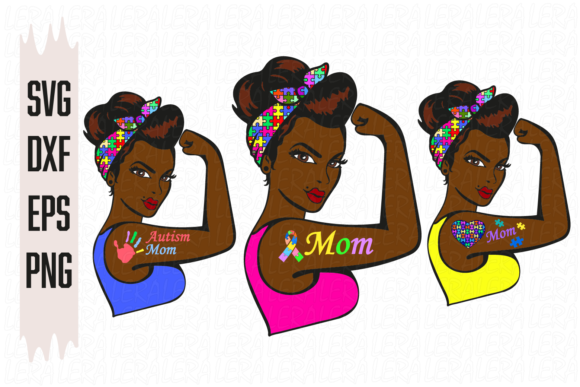
Afro Mom, Autism Mom Embroidery Review
As a designer who spends half my life staring at stitch charts and the other half trying to convince clients that embroidery has limitations, I approach every new digital asset with a mix of hope and skepticism. When Afro Mom, Autism Mom landed in my inbox, I didn’t just see a graphic; I saw a potential bestseller for my small boutique and a meaningful gift idea for friends in the neurodivergent community. But does it translate from screen to fabric? That is the real question.
This review breaks down how this design performs in real-world scenarios, from custom apparel to delicate baby items, so you can decide if it deserves a spot in your commercial library or personal stash.
First Impressions: Mood and Visual Personality
The moment you open the archive containing these graphics, the intent is clear. This isn’t just clipart; it’s an illustrations piece designed to evoke warmth, strength, and advocacy. The title itself carries weight, and the visual execution needs to match that emotional resonance without becoming cluttered.
In terms of layout, the design feels balanced. It avoids the common pitfall of overcrowding the hoop with too many tiny elements that disappear during stitching. The mood is supportive and celebratory. For an embroidery project like a tote bag or a sweatshirt, this kind of positive messaging resonates deeply. It feels less like a logo and more like a statement piece. The visual personality is approachable, making it suitable for both serious advocacy events and casual, everyday wear.
Real-World Application: Where Does It Shine?
I put Afro Mom, Autism Mom through its paces by imagining it on various products. Here is where it naturally fits:
- Custom Apparel and Sweatshirts: This is the sweet spot. On a heavyweight cotton hoodie or a soft fleece sweatshirt, the design will pop. The contrast between the thread and the fabric allows the details to hold up. It works beautifully as a chest pocket placement or centered on the back for a bold look.
- Tote Bags: As a tote bag design, it offers high visibility. Canvas bags are durable, meaning the embroidery won’t get lost in wrinkles or folds. It’s a perfect accessory for school runs, grocery shopping, or conference bags, turning a functional item into a conversation starter.
- Baby Items and Nursery Decor: While slightly more complex, this design can work on larger onesies or muslin blankets. However, caution is advised here (more on that below). For nursery decor, such as a framed quilt or pillow cover, the detail level adds a touch of professionalism and care.
- Embroidered Patches: If you plan to create detachable patches, this design has enough distinct shapes to be recognizable even when cut out. It serves well as a badge of honor for parents and allies.
- Holiday Gifts and Personalized Products: During the holidays, personalized gifts sell. This design is ideal for creating unique presents for autism awareness month, birthdays, or Mother’s Day. It adds a layer of thoughtfulness that generic designs lack.
Technical Performance and Stitching Clarity
When evaluating any machine embroidery design, we look at stitch density, underlay stability, and detail retention. Afro Mom, Autism Mom appears to use a mix of fill stitch for solid areas and likely satin stitch for outlines or key features. This combination generally ensures durability and a clean finish.
However, clarity depends heavily on your setup. If the design includes fine lines or small text, you must ensure your machine tension is perfect. In my experience, designs with mixed textures perform best on stable fabrics. On a handmade product like a kitchen towel or tea towel, the crispness of the stitches will enhance the aesthetic, making it feel premium rather than mass-produced.
For Etsy sellers and small shop owners, the visual appeal directly impacts sales. A clean, well-executed stitch pattern builds customer trust. If the stitch density is too high, the fabric might pucker; if it’s too low, the base material might show through. This design seems to strike a balance, but testing is non-negotiable.
Where to Use With Caution
Not every surface is created equal. There are specific scenarios where Afro Mom, Autism Mom might struggle:
- Small Hoop Sizes: If you try to cram this into a 4x4 inch hoop, you risk losing detail. Fine lines may merge together. Always check the recommended hoop size before starting.
- Textured or Stretchy Fabrics: Knits, jerseys, or heavily textured weaves can distort the shape. The stabilizer choice becomes critical here. Without proper support, the design may shift, leading to misaligned stitches.
- Dark Fabric: While dark backgrounds can make bright threads pop, they also hide subtle shading. Ensure your thread colors have enough contrast against the fabric. A black background might swallow up dark blue or purple tones.
- Curved Surfaces: Caps and hats present challenges. Unless you have a specialized cap frame and experience, flat designs like this may not lay smoothly on curved brims.
- Frequent Washing: For items that will be washed often, such as baby clothes or aprons, dense stitching holds up better than sparse designs. Check if the design has adequate coverage to withstand wear and tear.
Practical Designer Notes for Success
Before you hit "start" on your machine, follow these steps to ensure your finished product looks professional:
- Test on Scrap Fabric: Never skip this. Use the exact fabric and stabilizer you plan to use for the final item. This reveals puckering, color issues, or tension problems early.
- Check Thread Contrast: Lay your thread choices over the fabric. Do they stand out? Is the message readable? Poor contrast kills the impact of any embroidery file.
- Review Stitch Density: Zoom in on the digital preview. Are there areas where the stitch count is excessively high? High density can cause needle breakage or fabric damage.
- Inspect Small Details: Look closely at corners and thin lines. Will they stitch cleanly? If they are too fine, consider simplifying the design digitally before digitizing.
- Black and White Mockups: Convert the design to grayscale to check for value contrast. If it looks muddy in black and white, it will likely look muddy in color.
- Confirm Licensing: If you are an Etsy seller or running a craft business, verify the license terms. Can you sell finished items? Can you use it in commercial embroidery projects? Always respect intellectual property rights.
Final Verdict
Afro Mom, Autism Mom is more than just a digital embroidery file; it is a tool for connection. It appeals to creative entrepreneurs who want to offer meaningful products and hobbyists who want to create heartfelt gifts. Its visual strength lies in its clarity and emotional resonance.
It performs exceptionally well on custom apparel, tote bags, and patches. It requires careful handling on small hoops, stretchy fabrics, and dark backgrounds. By following proper testing protocols and choosing the right materials, you can turn this design into a standout handmade product that customers will love.
For those looking to expand their design assets with inclusive, powerful imagery, this addition is worth considering. Just remember: the magic happens in the preparation. Test thoroughly, choose wisely, and let the quality of your work speak for itself.